Whatsapp:+86 18339211009 Address: 1000 meters west of the gate of Yanjin County Forest Park, Xinxiang City, Henan Province.
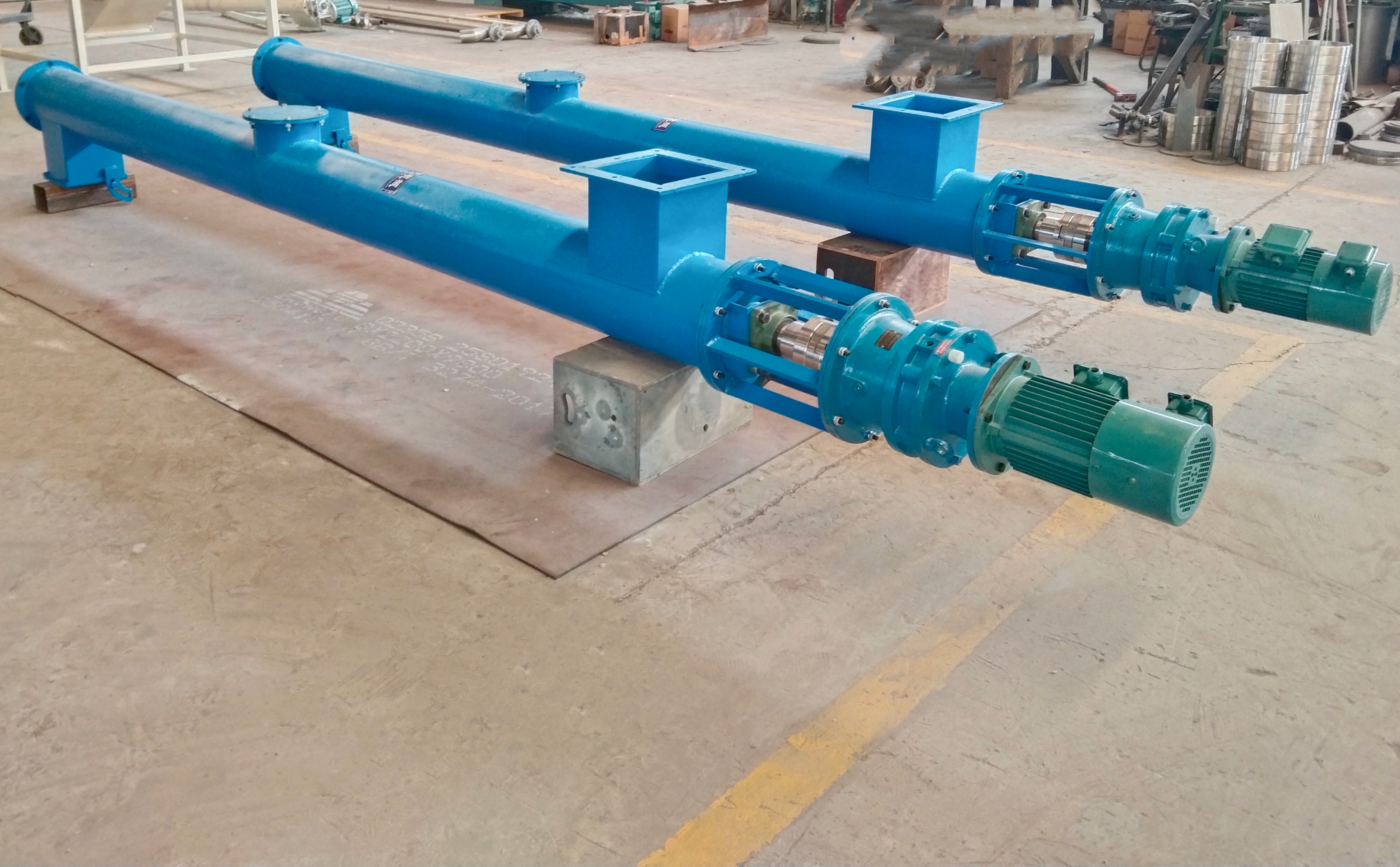
Industrial screw conveyors are commonly used enclosed conveying equipment for powder and granular materials. They rely on the rotation of internal screw blades to push materials for transfer. They can convey horizontally, inclined, or vertically, and have strong sealing properties, effectively reducing dust leakage.
Conveying capacity: 0.5-40 cubic meters/hour
Length: 2-30 meters
Speed: 71-50 rpm
Material: Carbon steel, 304, 316 stainless steel
Applicable materials: Can transport powdery, granular, or lumpy materials from one location to another.
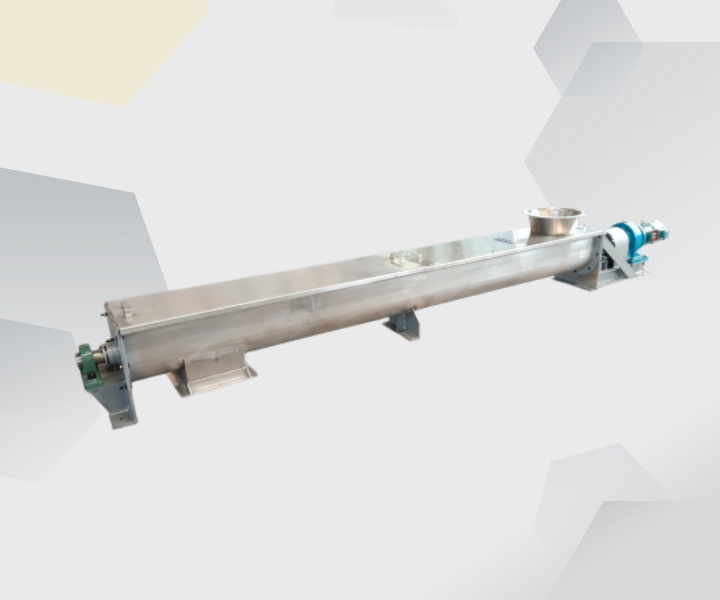
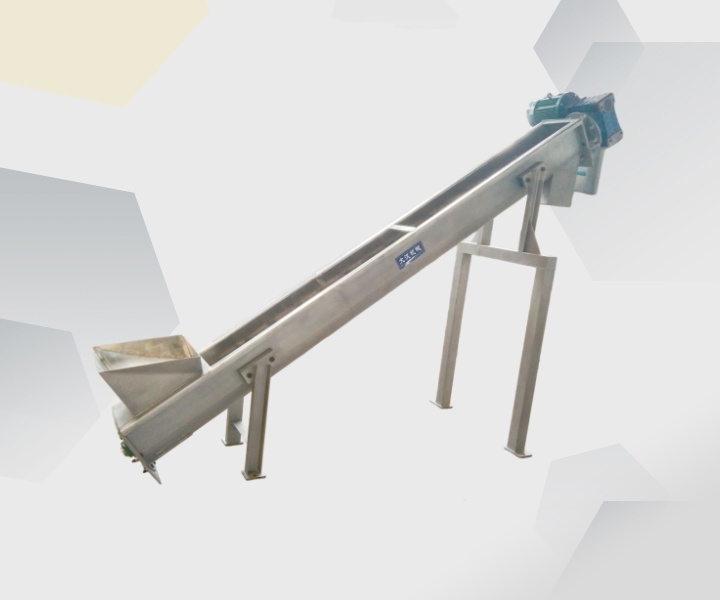
Industrial Screw Conveyor is a general-purpose mechanical device that uses an electric motor to drive a rotating screw to push materials along a fixed casing for continuous conveying. It features a simple structure, good sealing, and can be flexibly arranged horizontally, inclined, or even vertically. A single unit can convey materials up to 30 meters horizontally, and multiple units can be used in series. Customization is available, with adjustments made to materials, blade types, and drive configurations to fully adapt to the conveying requirements of various bulk materials. Carbon steel and stainless steel are available as options, and multiple inlet/outlet ports can be provided. Custom production can be tailored to customer needs and site conditions.
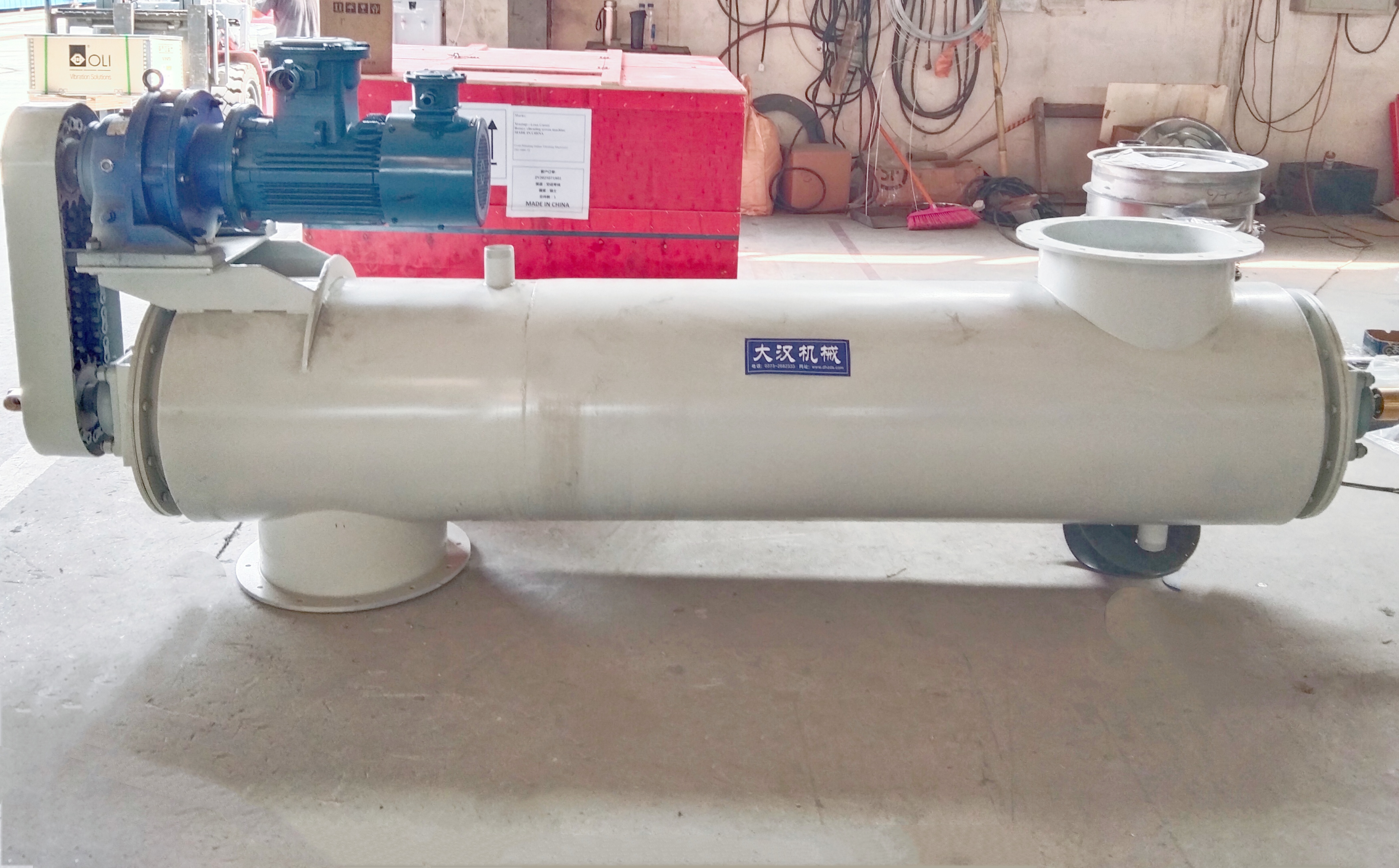
To meet the conveying needs of customers under different working conditions, we offer different types of Industrial Screw Conveyors. Customers can choose the appropriate screw conveyor based on their applicable scenarios and conveying requirements to ensure the successful conveying of different types of materials.
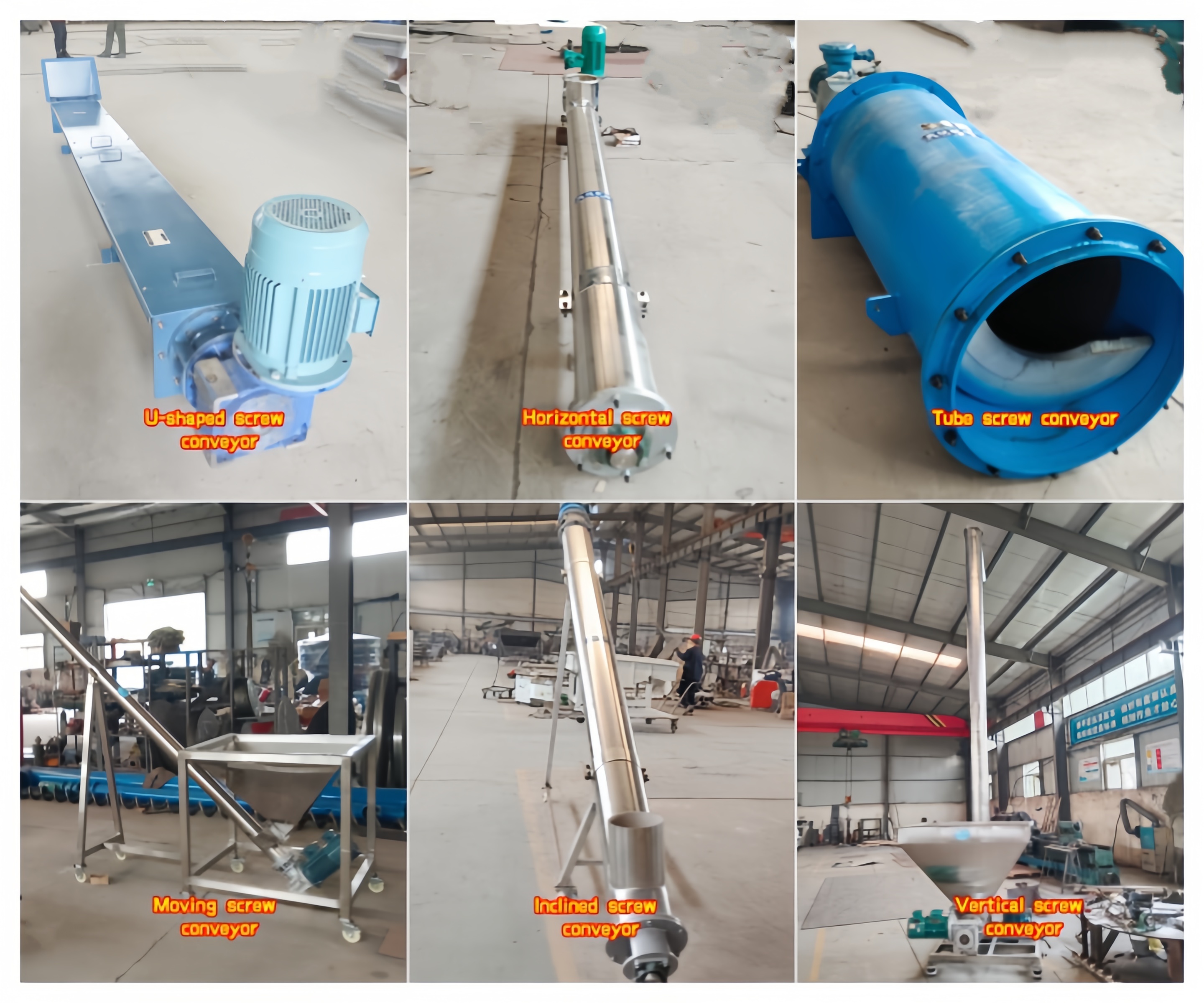
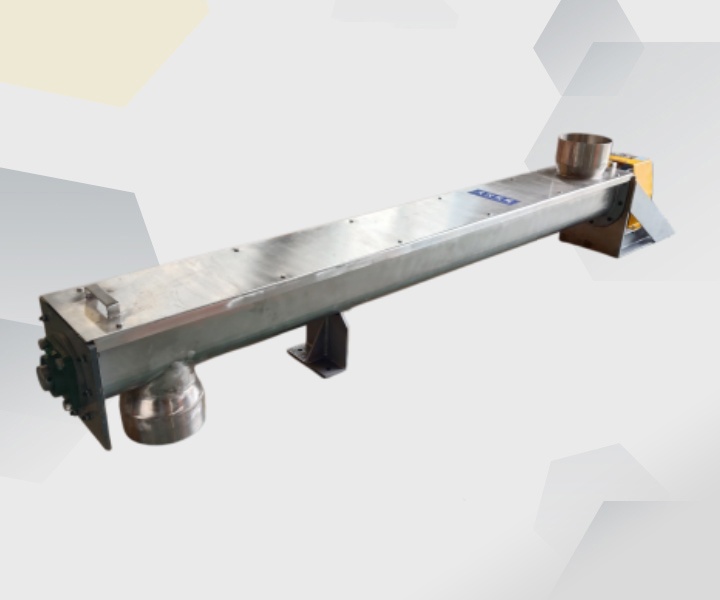
U-shaped screw conveyor: Uses a U-shaped trough as the casing, with an openable and closable cover on top for easy observation of material operation and routine cleaning and maintenance. Suitable for conveying powdery and small granular materials. The conveying angle is generally controlled between 0° and 25°.
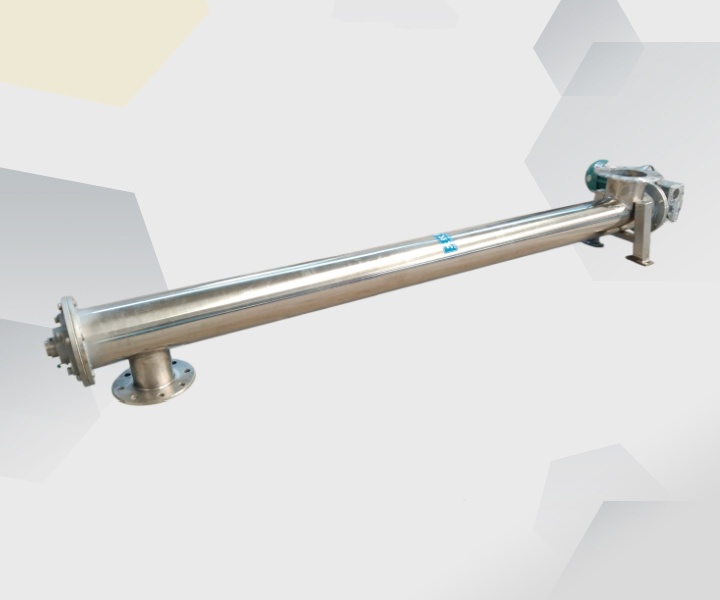
Tubular screw conveyor: Uses a circular seamless steel pipe or rolled plate as the casing, with a fully enclosed structure and excellent sealing performance. The dust leakage rate can be controlled below 0.5%. It offers flexible conveying angles, adapting to inclination requirements from 0° to 90°, and is suitable for the closed conveying of granular and powdery materials.
Horizontal screw conveyor: The most common arrangement, mainly used for material conveying under horizontal or small inclination conditions. Its simple structure facilitates multi-point loading and unloading, and the screw diameter covers various specifications from 89 to 800 mm.
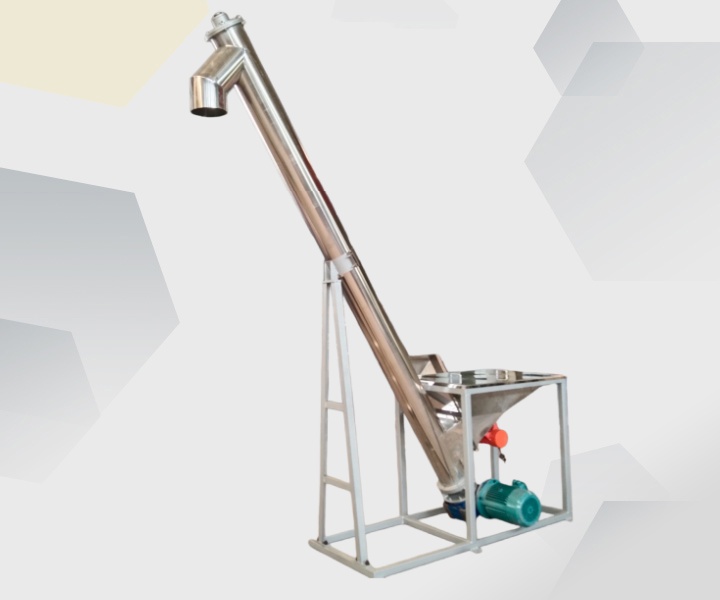
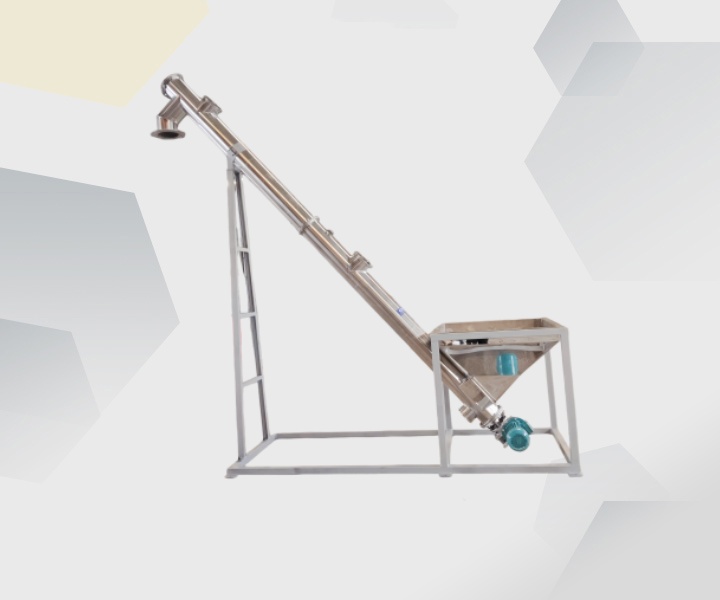
Inclined screw conveyor: Suitable for applications requiring material to be lifted from a low position to a high position. It is generally recommended that the inclination angle not exceed 45° to ensure stable conveying efficiency. For large inclination angles, specially designed screw blades and feeding devices are required to prevent material backflow or slippage.
Vertical screw conveyor: Used for short-distance vertical material lifting, with a conveying height generally not exceeding 6 meters. Its working principle differs from horizontal conveying; under the action of a high-speed rotating screw, the material adheres to the inner wall of the casing due to centrifugal force, and moves upward against gravity using the friction of the casing.
Mobile screw conveyor: Based on a fixed base, it is equipped with wheels or a mobile chassis, enabling flexible movement of the entire machine between different work points. This type is suitable for occasions requiring frequent changes in working position, such as grain depot loading and unloading, construction site material transfer, and stockpile cleaning.
The Industrial Screw Conveyor mainly consists of three parts: the screw conveyor body, the inlet and outlet, and the drive unit. The screw body is the core working component, composed of a screw shaft or seamless steel pipe welded with screw blades. The U-shaped groove facilitates cleaning, while the round tube provides better sealing. The bearing system includes head bearings, tail bearings, and intermediate hanger bearings. The hanger bearings adopt a sliding or rolling structure and are equipped with dustproof sealing devices. The drive unit, consisting of a motor, reducer, coupling, and base, provides power to the entire machine.
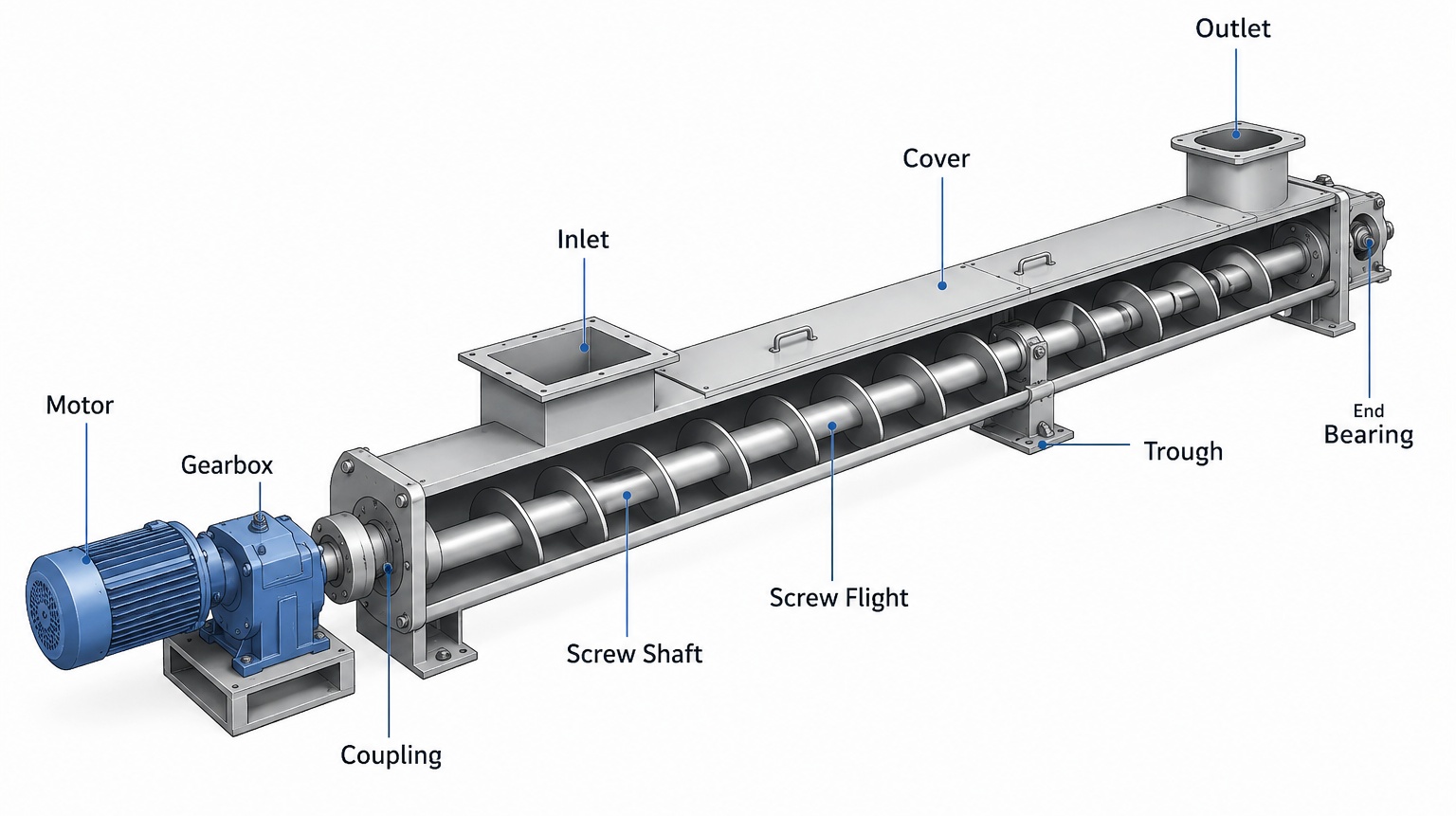
An Industrial Screw Conveyor uses rotating screw blades to continuously convey materials. After the material enters the trough through the inlet, it accumulates at the bottom of the trough under gravity. When the screw shaft rotates, the screw blades apply a normal thrust to the material. The radial component of this thrust causes the material to tend to rotate with the screw, but the material's own weight and the friction between the material and the casing prevent this rotation. The material is thus propelled axially towards the outlet, much like a stationary nut moving along the rotating screw.
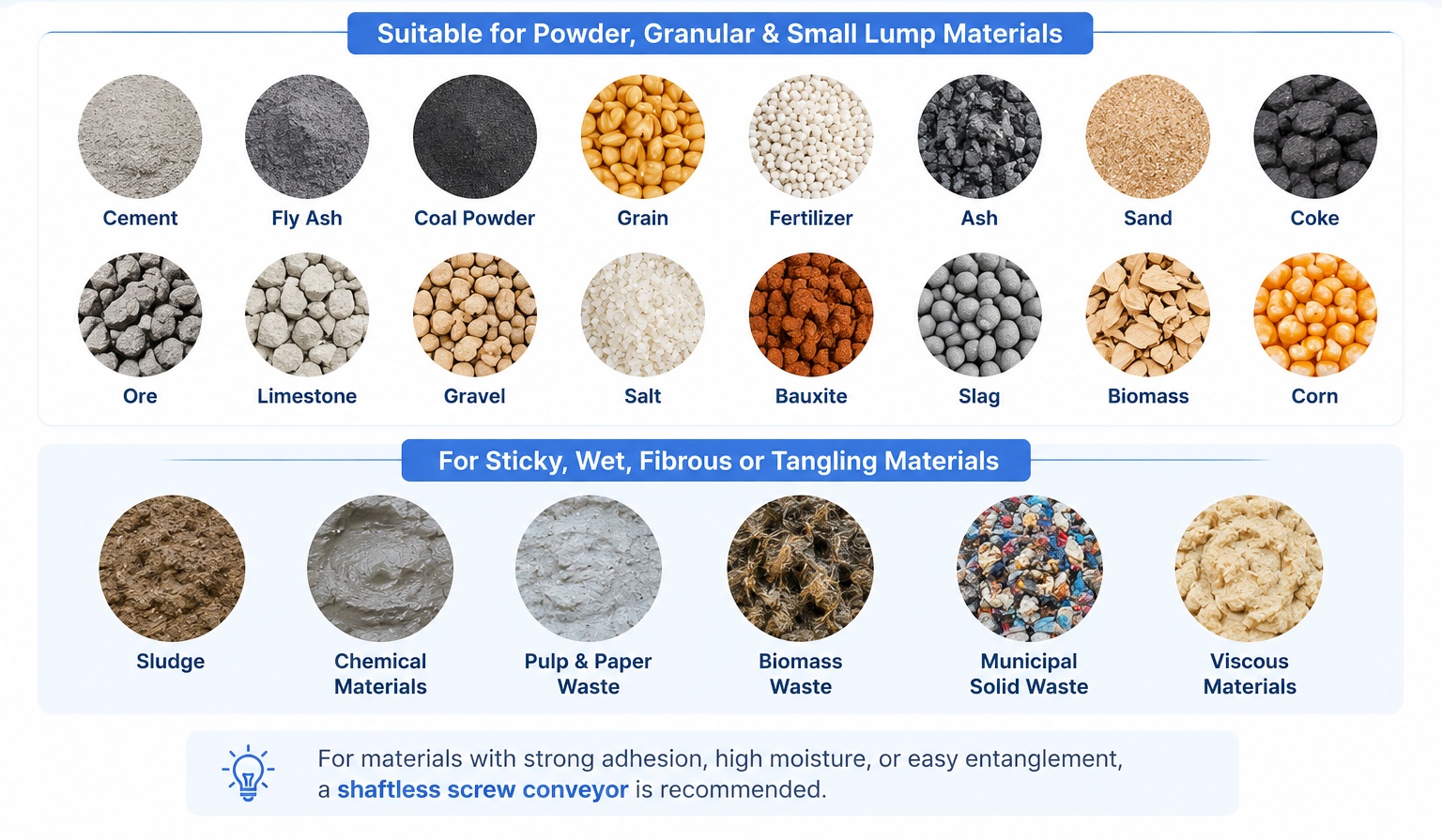
An Industrial Screw Conveyor is suitable for conveying bulk materials such as powders, granules, and small lumps. Typical materials include cement, fly ash, coal powder, grain, fertilizer, ash residue, sand, coke, and ore. For materials with strong adhesion, a pasty, viscous texture, such as sludge, chemical raw materials, waste pulp, or easily tangled municipal solid waste, shaftless screw conveyors can be used.
As a non-standard piece of equipment, the Industrial Screw Conveyor can be fully customized to meet specific working conditions. From drive system to structural materials, from safety protection to functional expansion, every aspect can be flexibly configured.
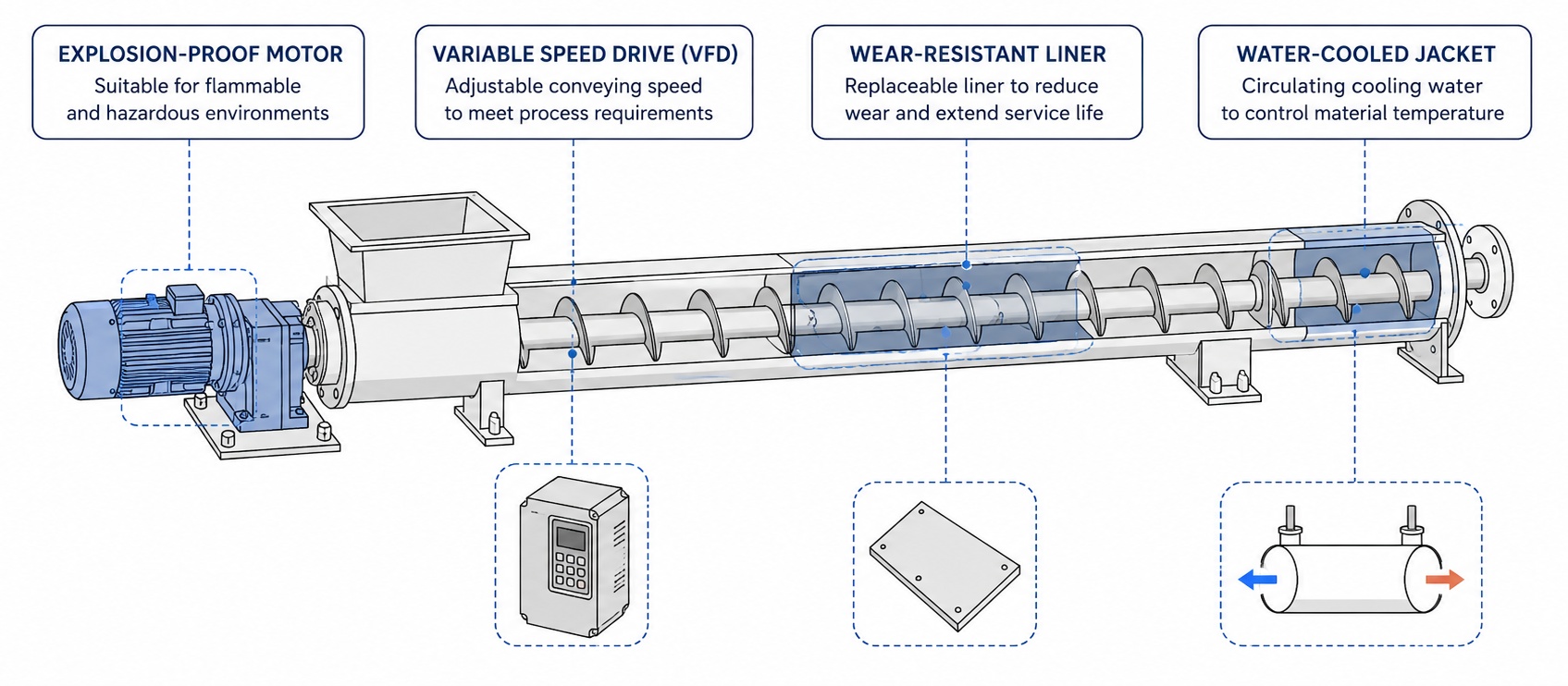
Explosion-proof motor: For flammable and explosive environments such as coal mines and chemical plants, explosion-proof motors and anti-static designs can be configured. All models are explosion-proof certified, eliminating sparks and ensuring production safety.
Variable frequency speed control: The screw speed can be precisely adjusted via a frequency converter, achieving stepless adjustment of the conveying capacity to adapt to different production process cycle requirements.
Wear-resistant lining: When conveying highly abrasive materials such as slag and ore, wear-resistant linings can be added to the inner wall of the U-shaped trough. A tungsten carbide wear-resistant layer is welded onto the surface of the screw blades, increasing wear resistance by 3-5 times.
Water-cooled jacket: When used for conveying high-temperature materials, a water-cooled jacket can be designed on the outside of the casing, through which circulating cooling water is introduced to reduce the material temperature from 50℃ to below 10℃, protecting the equipment and meeting process cooling requirements.
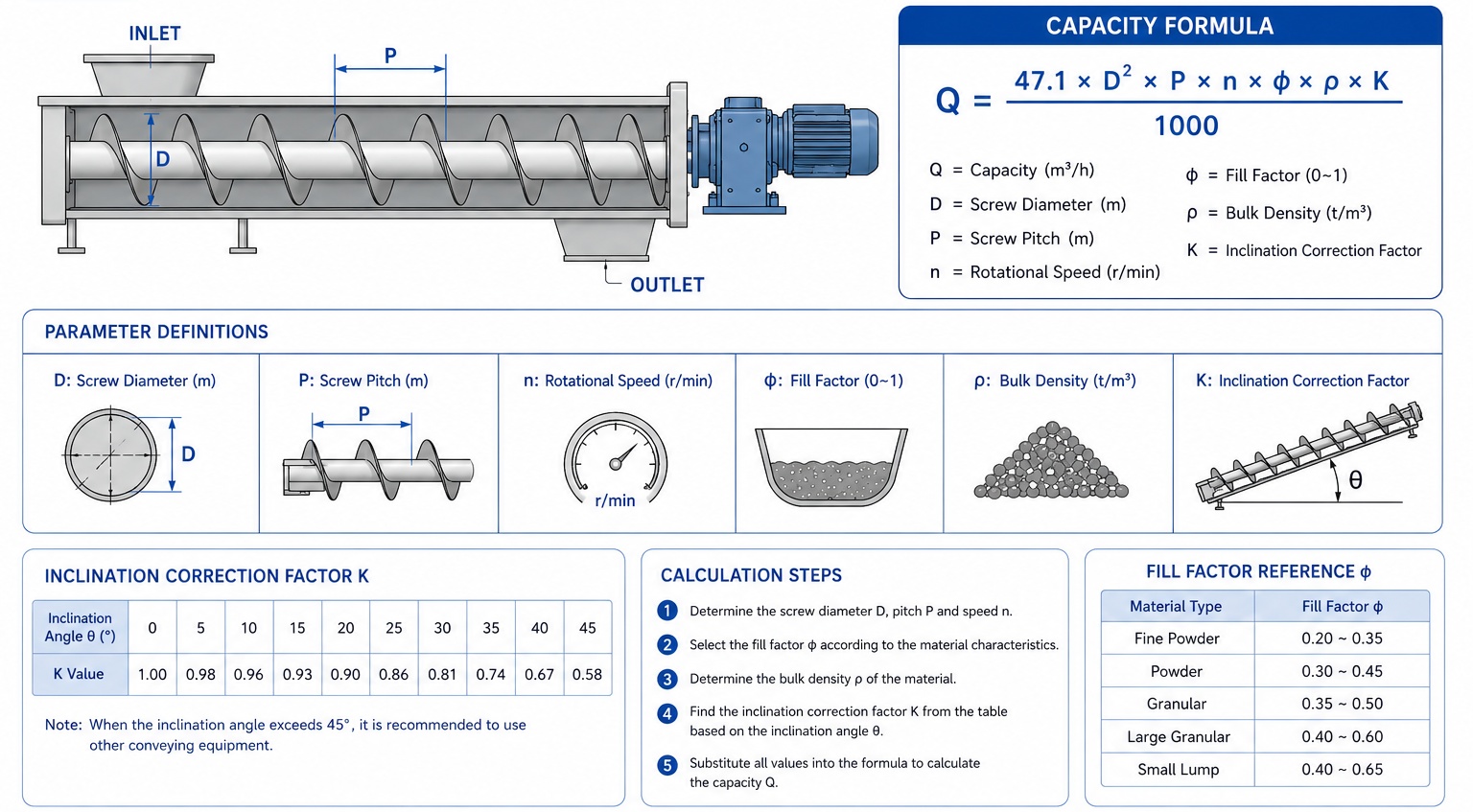
Calculating the conveying capacity of an Industrial Screw Conveyor is the core basis for selection and design, directly affecting the determination of equipment specifications and motor power. The conveying capacity calculation formula is: Q = 47 × D² × S × n × ψ × γ × C, where D is the screw diameter, S is the screw pitch, n is the rotational speed, ψ is the filling factor, γ is the material bulk density, and C is the tilt angle correction factor. Key parameters affecting conveying capacity include screw diameter, screw pitch, rotational speed, filling factor, and material characteristics. Generally, the larger the screw diameter and rotational speed, the higher the conveying capacity; conversely, poor material flowability, increased tilt angle, or excessively high filling factor will reduce conveying efficiency.
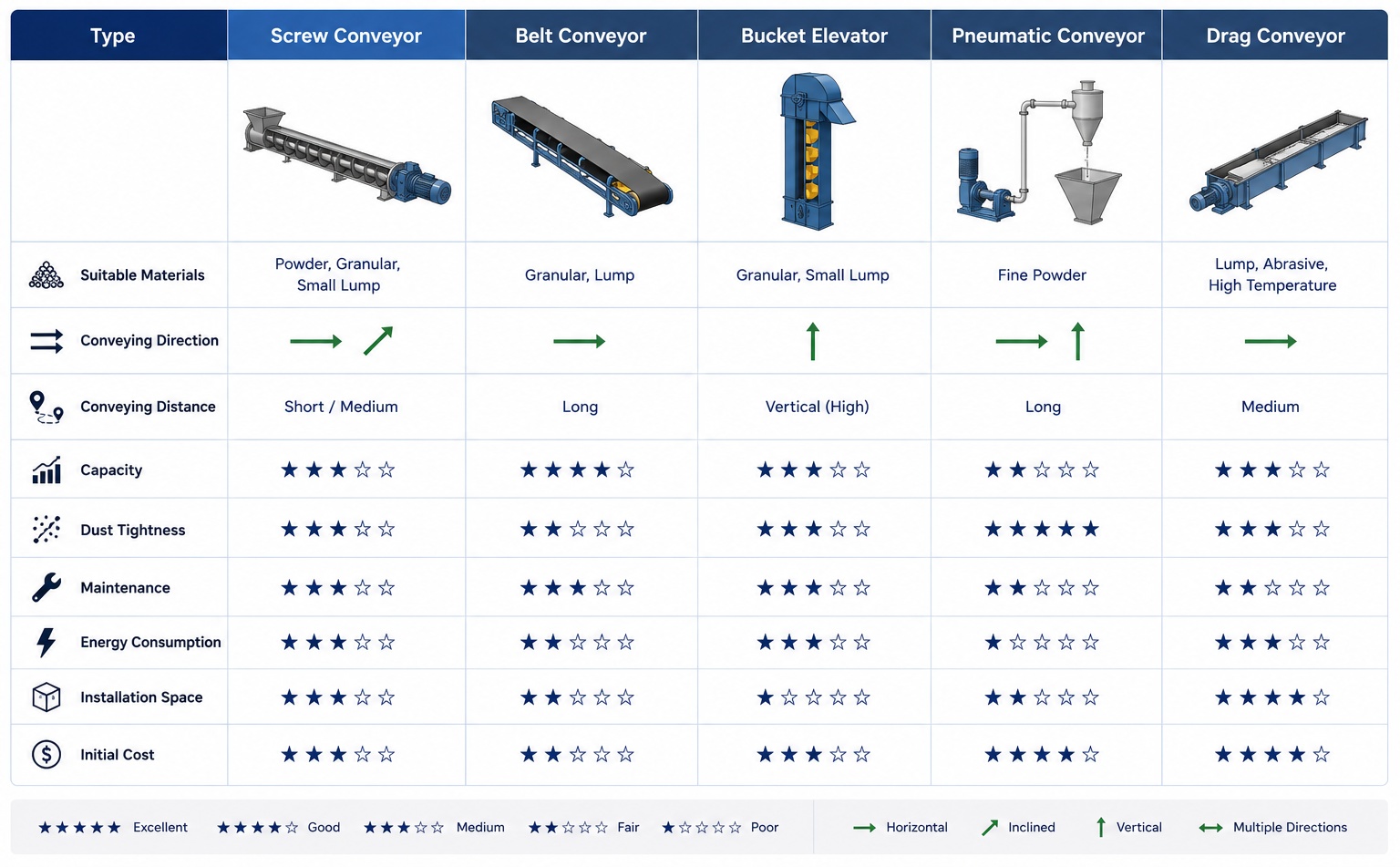
| Comparison Dimension | Screw Conveyor | Bucket Elevator | Belt Conveyor | Scraper Conveyor |
| Conveying Principle | Screw blade pushing | Bucket scooping & lifting | Belt carrying | Scraper chain pulling |
| Suitable Materials | Powder, granular, small lump | Bulk materials | Various bulk & lump materials | Lump & powder materials |
| Conveying Inclination | Horizontal to vertical | Vertical mainly | ≤20° | Horizontal to steep incline |
| Sealing Performance | Excellent | Fair | Poor | Good |
| Multi-point Loading/Unloading | Supported | Not supported | Supported | Supported |
| Footprint | Small | Large | Large | Medium |
| Typical Applications | Cement, grain, chemical | Grain, ore vertical lifting | Coal mines, ports long-distance | Mining, power plants |
Selecting an industrial screw conveyor is a systematic project that requires comprehensive consideration of multiple factors, including material characteristics, conveying requirements, site conditions, and operating conditions. The appropriateness of the selection directly affects the equipment's conveying efficiency, operational stability, maintenance costs, and service life.
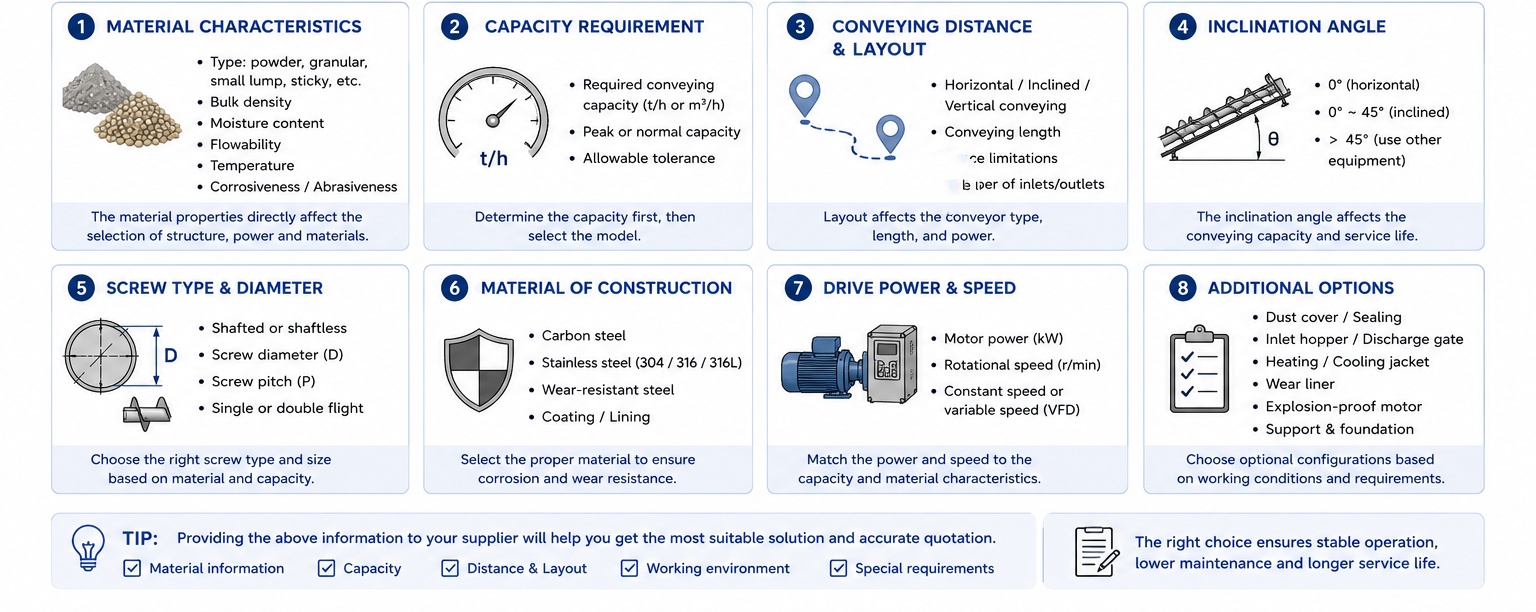
Based on the material being conveyed: Pipe-sealed models are suitable for powdery dry materials; U-shaped models are suitable for granular or moist materials for easy cleaning; and shaftless screw structures are required for sticky or entangled materials.
Based on conveying capacity: Calculate the screw diameter and speed based on the required conveying capacity, and select the appropriate specifications by referring to the conveying capacity parameter tables for each model.
Based on conveying distance: Horizontal single units can reach a maximum length of 30 meters; for distances exceeding 30 meters, dual drives or the addition of intermediate hanger bearings should be considered. Based on the inclination angle: Conventional horizontal screw conveyors are suitable for inclination angles ≤20°; larger inclination angles require adjustments to the speed and pitch; and dedicated vertical models are required for vertical conveying.
Based on installation space: For confined spaces, compact tubular designs or vertical layouts are suitable; mobile models are suitable for multi-point rotation operations.
Material selection based on working environment: 304/316L stainless steel for corrosive environments, cooling jackets for high-temperature environments, and wear-resistant liners and welded blades for abrasive materials.
When selecting a screw conveyor manufacturer, don't just focus on price. The key is customization suitability, reliable technology, sufficient experience, and comprehensive after-sales service. Prioritize manufacturers that support non-standard customization, allowing them to tailor equipment to material characteristics, site conditions, and production capacity requirements, avoiding the drawbacks of generic equipment. Simultaneously, verify the manufacturer's production capacity, professional technical R&D capabilities, and precision machining processes to ensure equipment quality. Focus on their deep industry experience and successful case studies of similar projects, prioritizing suppliers with extensive industry experience. Furthermore, confirm that the manufacturer has comprehensive after-sales service and original spare parts supply capabilities, along with ISO and CE compliance certifications, to select high-quality equipment that is highly adaptable, durable, worry-free, and cost-effective.
How to choose the screw diameter?
The screw diameter is primarily determined by the conveying capacity, material characteristics, and conveying distance. Refer to the conveying capacity parameter table for each model to calculate the minimum diameter based on the required conveying capacity, while ensuring that the maximum particle size of the material does not exceed 1/4 of the screw diameter.
Can it operate continuously for 24 hours?
Yes. Screw conveyors are designed to meet the requirements for long-term continuous operation, but a suitable drive unit and forced-lubrication bearings must be selected.
Is customization supported?
Yes. Screw conveyors can be fully customized according to actual working conditions, including materials, structural form, drive configuration, cooling system, and size specifications.
NOTE: You can also send a message to us by this email sale@xxdahan.com, we will reply to you within 24 hours. Now tell us your needs, there will be more favorable prices!