Whatsapp:+86 18339211009 Address: 1000 meters west of the gate of Yanjin County Forest Park, Xinxiang City, Henan Province.
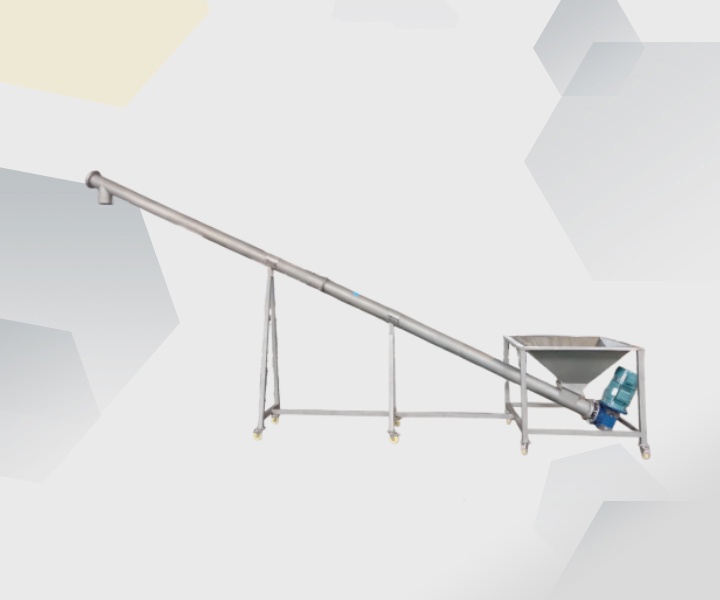
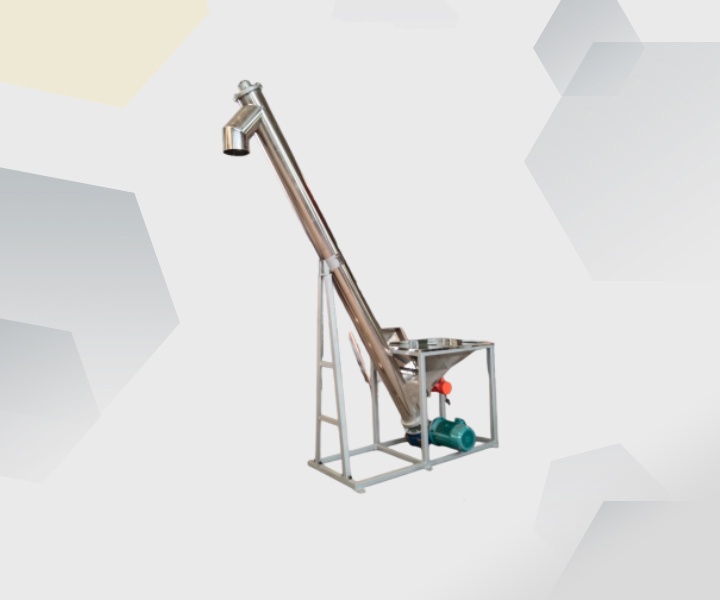
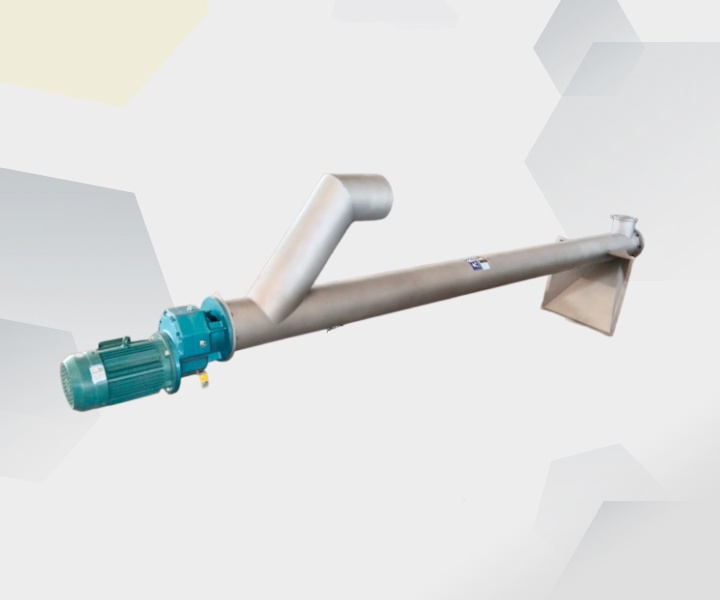
PVC screw conveyor is a spiral conveyor system using PVC as the conveying pipe or main structural component. It can be used to convey powders and granular materials, supporting horizontal, inclined, and vertical conveying.
Material: Polypropylene
Diameter: 110-800mm
Angle: 0-90°
Length: 2-30 meters / Supports series connection
Applications: Suitable for PVC powder, plastic particles, flour, starch, pigments, pharmaceutical powders, and other powdered and granular materials.
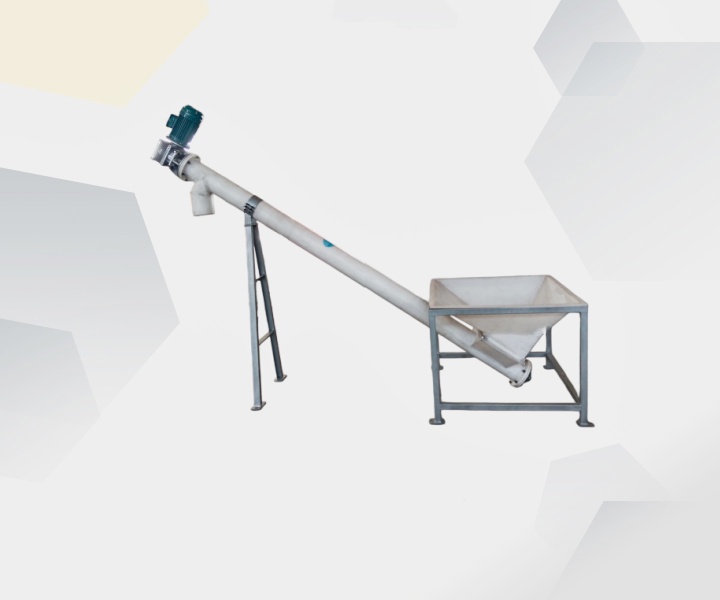
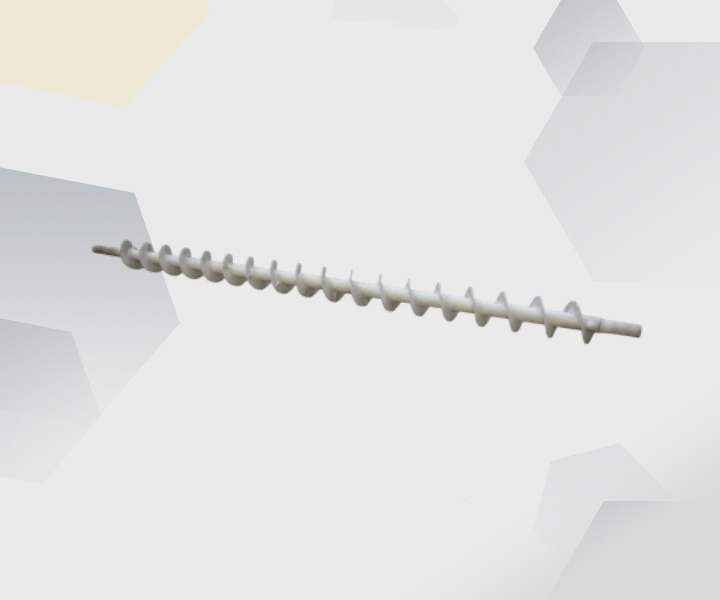
PVC Screw Conveyor is a spiral conveyor system using PVC as the conveying pipe or main structural component. Unlike traditional carbon steel or stainless steel screw conveyors, PVC screw conveyors fully utilize the advantages of PVC material, such as corrosion resistance, light weight, and low cost. It is especially suitable for conveying materials sensitive to metal contamination or requiring frequent cleaning. The maximum pipe diameter can reach 800mm, supporting horizontal, inclined, and vertical conveying. Custom selection of upstream equipment can be made to ensure the normal operation of the entire production line.
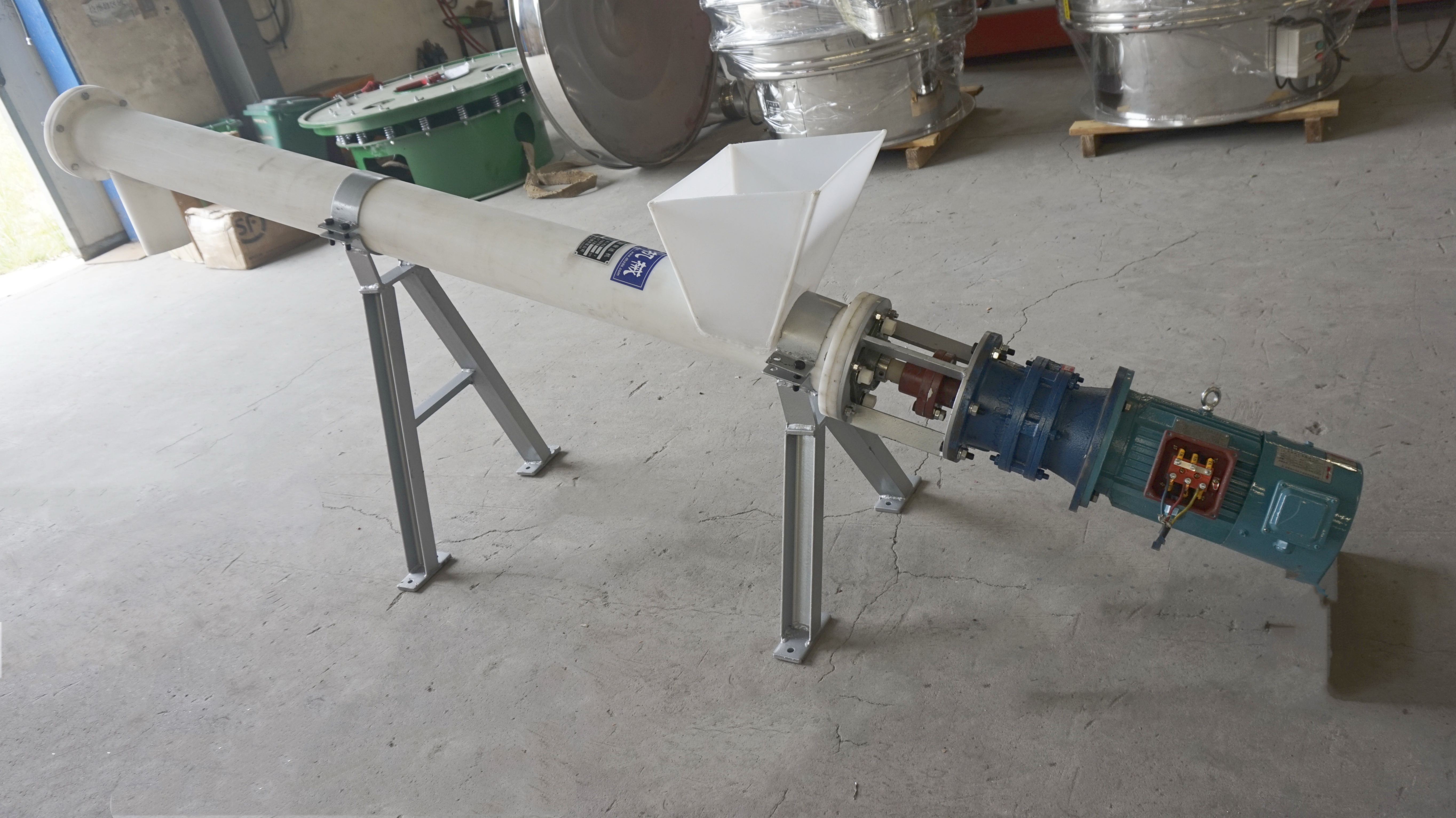
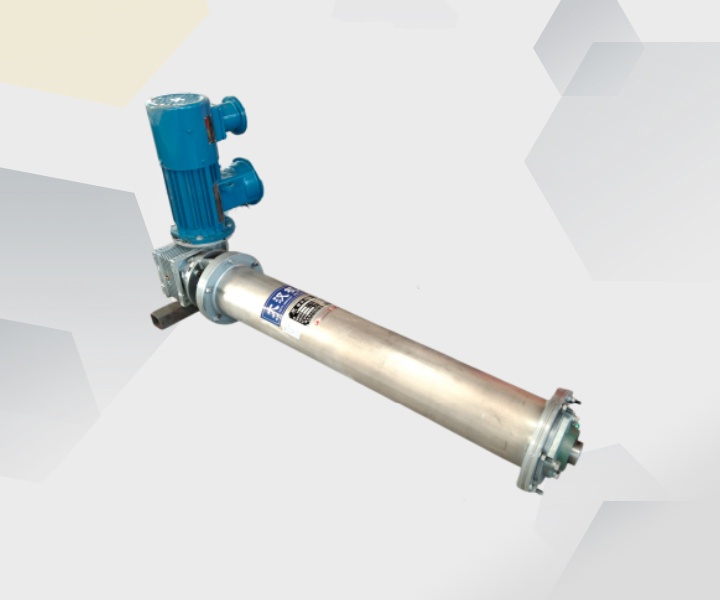
PVC screw conveyor mainly consists of a drive unit, a screw, a conveying pipe, an inlet, an outlet, and a support frame. The drive unit, typically including a motor and a reducer, is installed at one end or the top of the conveying pipe, providing power for the screw's rotation. The screw is the core moving component of the equipment, and can employ a helical spring or rigid helical blade structure, responsible for propelling the material forward. The PVC pipe serves as a closed conveying channel with a smooth inner wall, protecting the material from contamination and facilitating observation and cleaning. The inlet is usually connected to a storage tank or the mixer's outlet, while the outlet connects to downstream equipment according to process requirements.
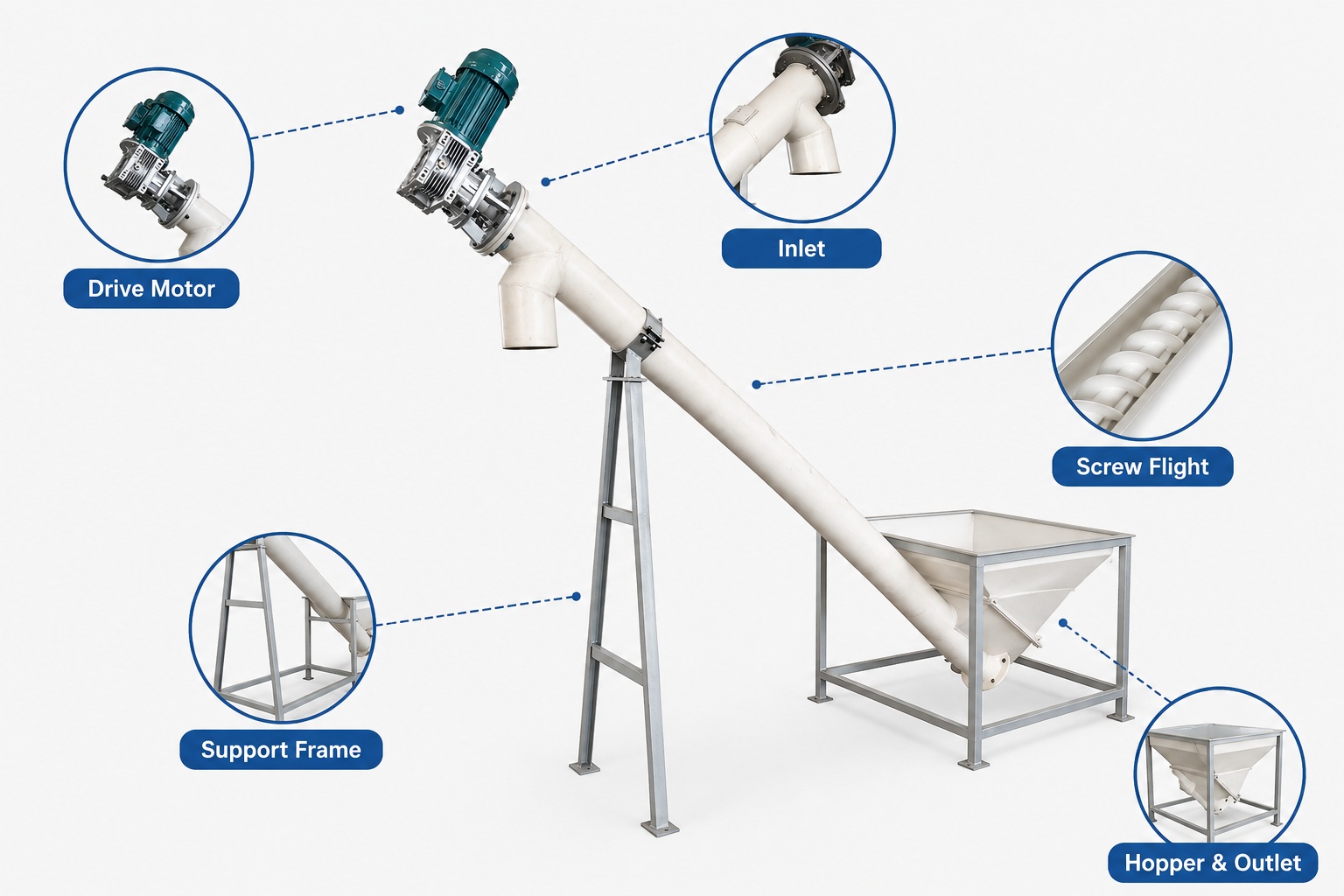
The working principle of a PVC screw conveyor is based on the propulsive action of the rotating helical blades. When the motor drives the screw to rotate, the rotating helical blades generate a thrust along the axial direction of the pipe, propelling the material forward within the closed PVC pipe. During the conveying process, materials are subjected to the combined effects of their own gravity, pipe wall friction, and the thrust of the spiral blades, forming a stable and continuous flow from the inlet to the outlet.
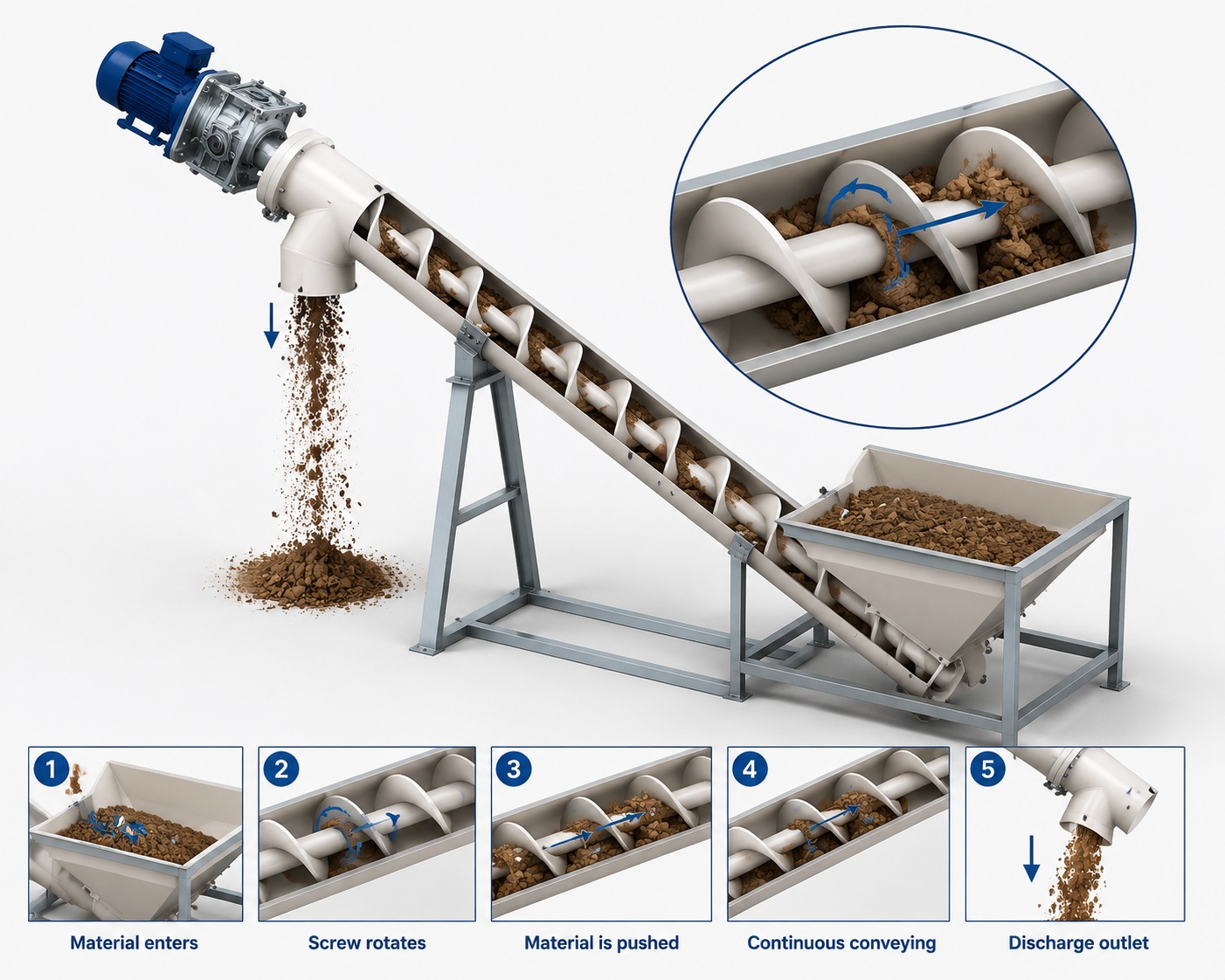
The PVC Screw Conveyor has no bearings or other moving parts in its conveying pipe, avoiding lubricant contamination of the materials, ensuring reliable performance, and requiring virtually no maintenance. Secondly, cleaning is extremely convenient; one person can complete disassembly and cleaning in just 5 minutes, effectively meeting the hygiene and rapid material change requirements of industries such as food and chemicals. Furthermore, PVC material has good corrosion resistance, making it suitable for conveying slightly corrosive materials, and the equipment cost is relatively lower than that of stainless steel. At the same time, the entire machine is lightweight, facilitating movement and installation, and is particularly suitable for production environments requiring frequent adjustments to workstations or production lines.
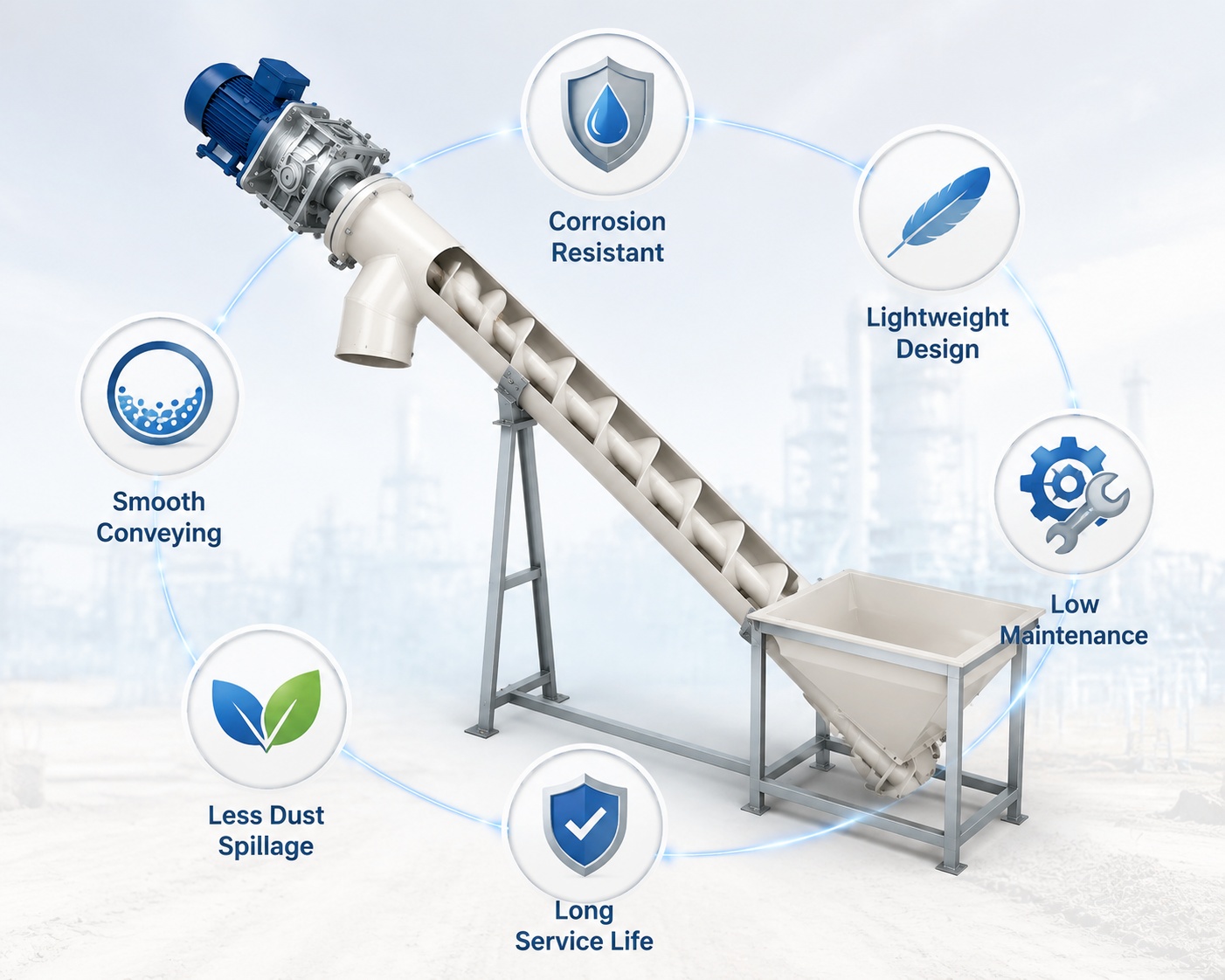
With its advantages of being sealed and pollution-free, easy to clean, and corrosion-resistant, the PVC Screw Conveyor is suitable for the automated conveying of granular materials such as PVC powder, plastic particles, flour, starch, pigments, and pharmaceutical powders.
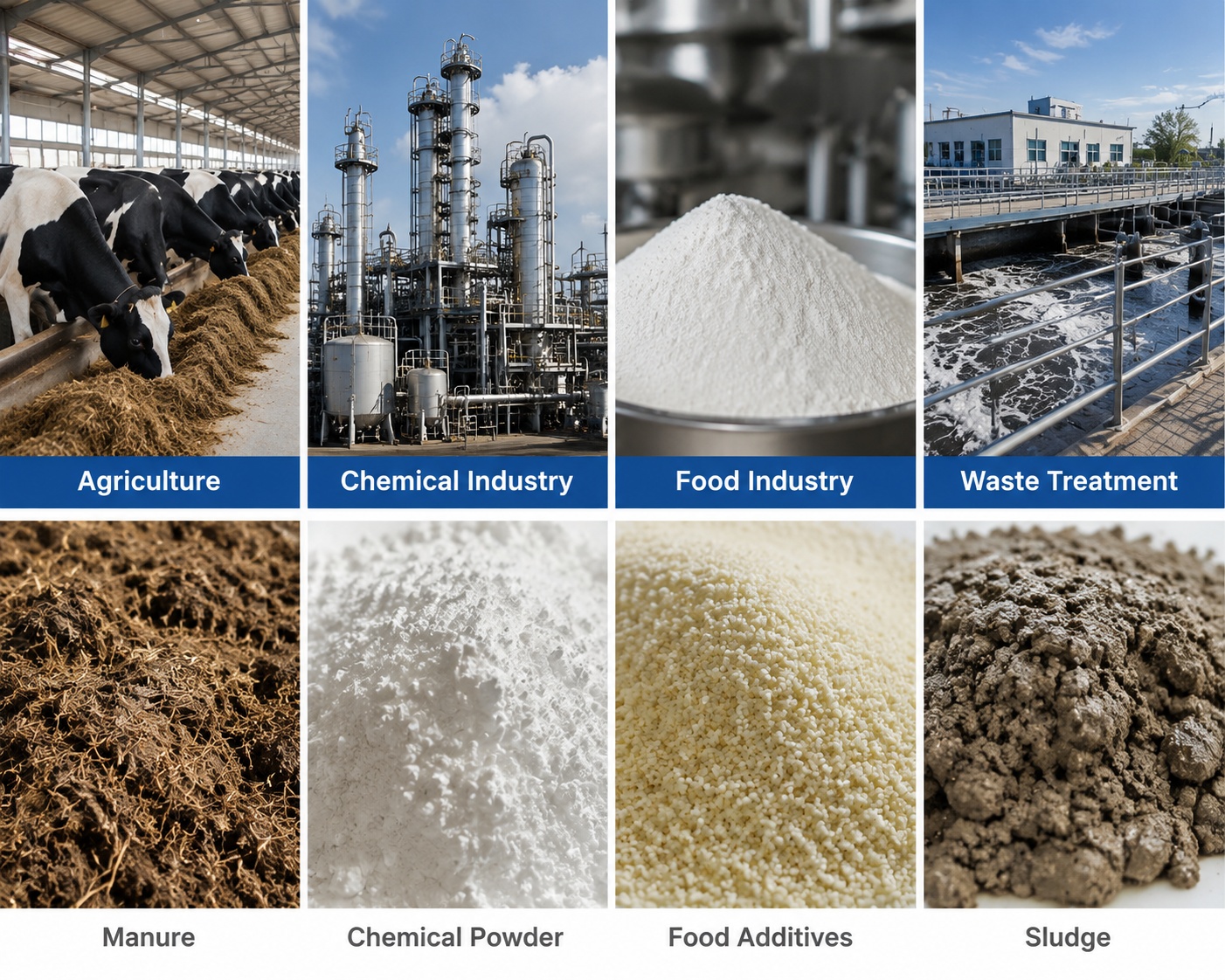
Plastics Processing Industry: Used in conjunction with extruders and high-speed mixers for automated conveying of PVC powder, plastic particles, masterbatches, and other raw materials to the hopper.
Food Industry: Conveys powdered or granular materials such as flour, starch, and food additives. Due to its safe and easy-to-clean properties, it meets food-grade hygiene requirements.
Chemical Industry: Used for conveying pigments, dyes, powdered additives, etc. Closed conveying effectively prevents dust contamination and cross-contamination.
Pharmaceutical Industry: Conveys pharmaceutical powders or granules, meeting the requirements of clean production environments for equipment that is pollution-free and easy to clean.
| Model |
Diameter (mm) |
Pitch (mm) |
Rotating speed (r/min) |
Capacity (m³/h) |
Rotating speed (r/min) |
Capacity (m³/h) |
Rotating speed (r/min) |
Capacity (m³/h) |
Rotating speed (r/min) |
Capacity (m³/h) |
|
| Small | 100 | 100 | 100 | 140 | 2.2 | 112 | 1.7 | 90 | 1.4 | 71 | 1.1 |
| 125 | 125 | 125 | 125 | 3.8 | 100 | 3 | 80 | 2.4 | 63 | 1.9 | |
| 160 | 160 | 160 | 112 | 7.1 | 90 | 5.7 | 71 | 4.5 | 56 | 3.6 | |
| 200 | 200 | 200 | 100 | 12.4 | 80 | 9.9 | 63 | 7.8 | 50 | 6.2 | |
| Small | 250 | 250 | 250 | 90 | 21.8 | 71 | 17.2 | 56 | 13.6 | 45 | 10.9 |
| 315 | 315 | 315 | 80 | 38.8 | 63 | 30.5 | 50 | 24.2 | 40 | 13.4 | |
| 400 | 400 | 355 | 71 | 62.5 | 56 | 49.3 | 45 | 38.6 | 36 | 31.7 | |
| Large | 500 | 500 | 400 | 63 | 97.7 | 50 | 77.6 | 40 | 62 | 32 | 49.6 |
| 630 | 630 | 450 | 50 | 138.5 | 40 | 110.8 | 32 | 88.6 | 25 | 69.3 | |
| 800 | 800 | 500 | 40 | 198.5 | 32 | 158.8 | 25 | 124.1 | 20 | 99.3 | |
| Comparison Dimension | PVC Screw Conveyor | Stainless Steel Screw Conveyor |
| Pipe Material | PVC plastic pipe | 304/316 stainless steel |
| Corrosion Resistance | Excellent, resistant to acids, alkalis and chemical corrosion | Excellent, especially 316L with stronger corrosion resistance |
| Equipment Weight | Lightweight, easy to move and install | Heavier, difficult to relocate after installation |
| Manufacturing Cost | Relatively low, cost-effective | Relatively high |
| Applicable Material Temperature | Generally ≤60°C, not heat-resistant | Can withstand relatively high temperatures |
Selecting a PVC Screw Conveyor requires comprehensive consideration of material characteristics, conveying capacity, installation space, and hygiene requirements. Clearly define the material's form, temperature, corrosiveness, and abrasiveness; confirm the required conveying capacity and horizontal/vertical conveying distance; and select the installation method based on the available site space.
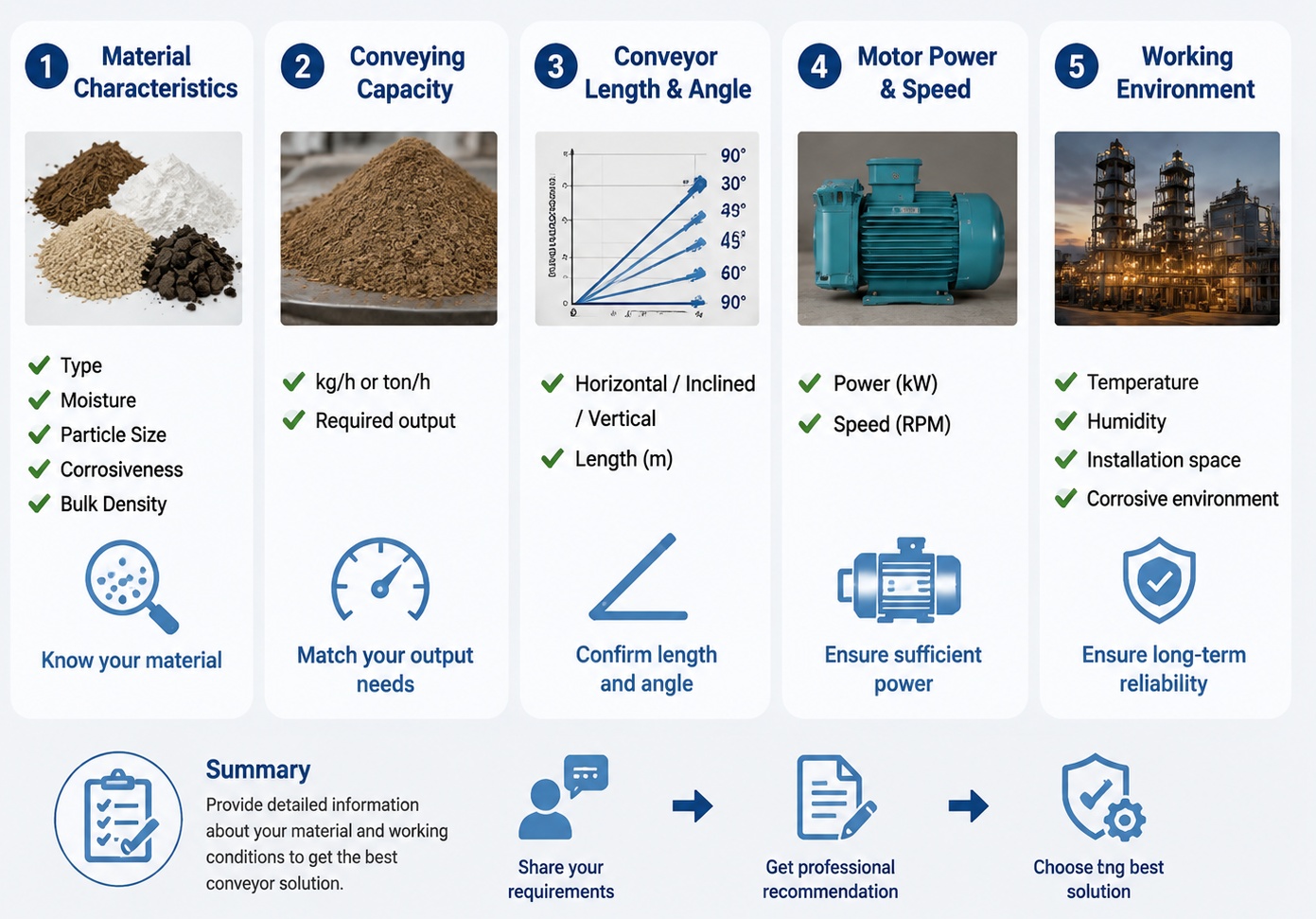
Material Characteristics: Clearly define the form, bulk density, flowability, temperature, corrosiveness, and abrasiveness of the material being conveyed. PVC screw conveyors are suitable for conveying powdery and granular materials, but not for high-temperature or highly abrasive materials.
Conveying Capacity and Distance: Determine the required conveying capacity and distance based on production process requirements. Different conveyor models have corresponding conveying capacity ranges.
Installation Space and Form: Select the horizontal, inclined, or vertical conveying form based on site space conditions, and confirm that the equipment dimensions meet installation requirements.
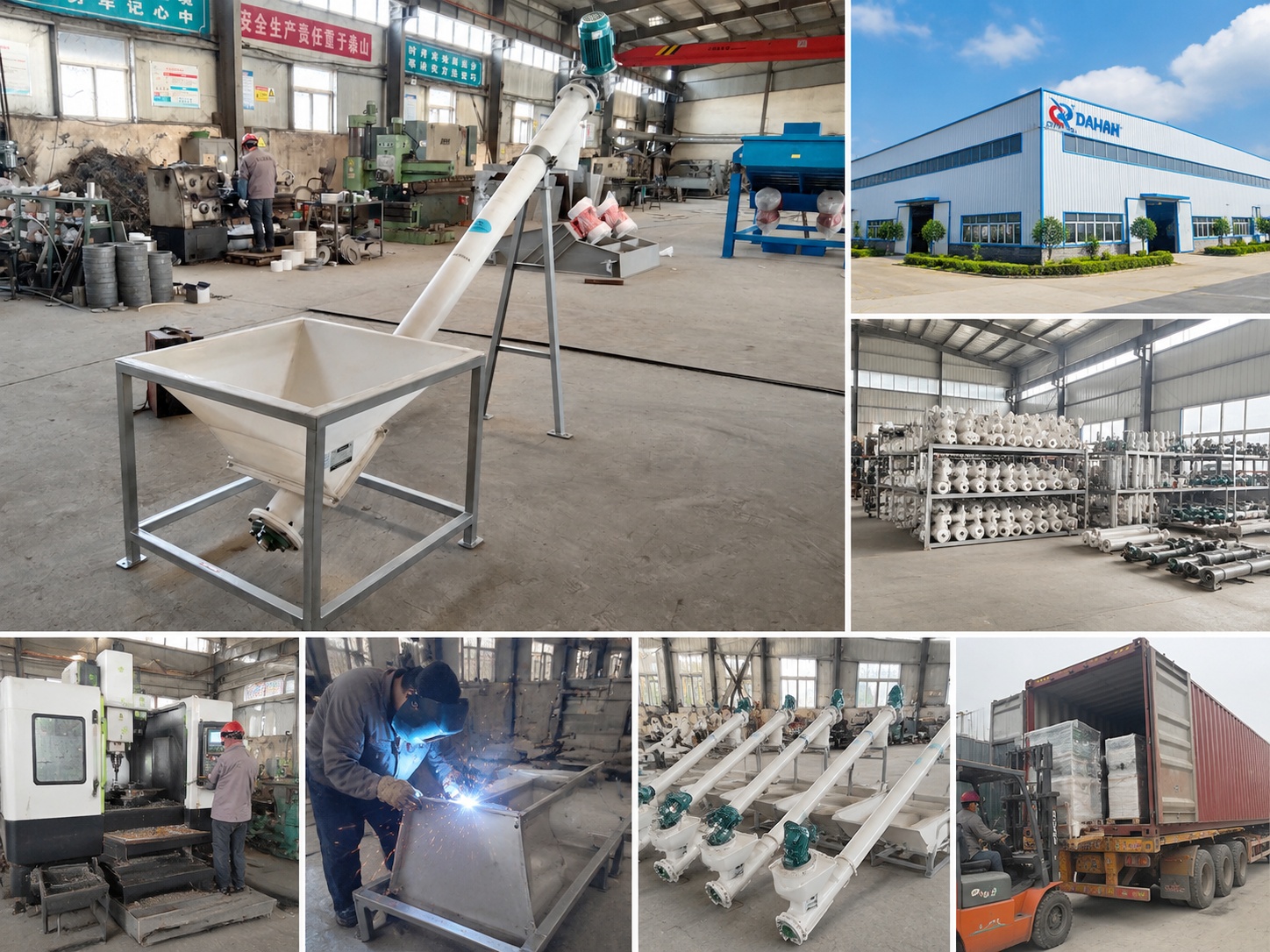
Our PVC screw conveyors offer high installation flexibility, enabling horizontal, inclined, and vertical multi-angle conveying to fully meet the layout needs of different production sites. We use high-quality PVC pipes and precision-machined helical springs or blades to ensure smooth operation. We support non-standard customization, tailoring the most suitable solution based on the specific parameters provided by the customer, such as the characteristics of the conveyed material, site installation space, conveying capacity, and conveying distance. From solution design and equipment manufacturing to installation and commissioning, we provide a one-stop full-process service, ensuring perfect integration of the equipment with the customer's existing production line.
Is a PVC screw conveyor suitable for conveying corrosive materials?
Yes. PVC material has excellent resistance to acids, alkalis, and chemical corrosion, making it suitable for conveying most weak acids, weak alkalis, and slightly corrosive powders and granules such as salts.
What is the maximum conveying distance?
For horizontal conveying, a single unit can reach a maximum distance of 30 meters; vertical conveying height is generally no more than 6 meters. The actual conveying distance is affected by multiple factors such as material characteristics, pipe diameter, and motor power. For longer distances, multi-stage series conveying or combination with other conveying equipment can be used.
Can a PVC screw conveyor convey wet materials?
Yes, but the material's moisture content must be controlled. PVC screw conveyors are suitable for powders and granules with low moisture content and good flowability. If the material is too wet or highly viscous, it is prone to sticking to the inner wall of the pipe or clogging the screw channel, affecting conveying efficiency.
NOTE: You can also send a message to us by this email sale@xxdahan.com, we will reply to you within 24 hours. Now tell us your needs, there will be more favorable prices!